FUEL
Arrive With a Reserve
Local fuel is available, but seasonal hours and limited services make it smarter to start the remote section comfortably topped up.

KNOW BEFORE YOU GO
Seymour Arm is remote enough that a few small decisions matter more here than they would in a larger lakeside town. Handle the basics before the pavement disappears.
FUEL
Local fuel is available, but seasonal hours and limited services make it smarter to start the remote section comfortably topped up.
CELL SERVICE
Signal can vary along the forestry-road section and throughout the backcountry. Save maps and important information offline.
SUPPLIES
Food and everyday supplies can be found locally, but medications, specialty items and anything essential should come in with you.
ROAD ACCESS
The final stretch beyond St. Ives is a long gravel Forest Service Road. Weather, traffic and grading can change the experience from one trip to the next.
FIND YOUR BASE
Seymour Arm is small. You don’t need an endless directory; you need the places that actually matter once you’re here.
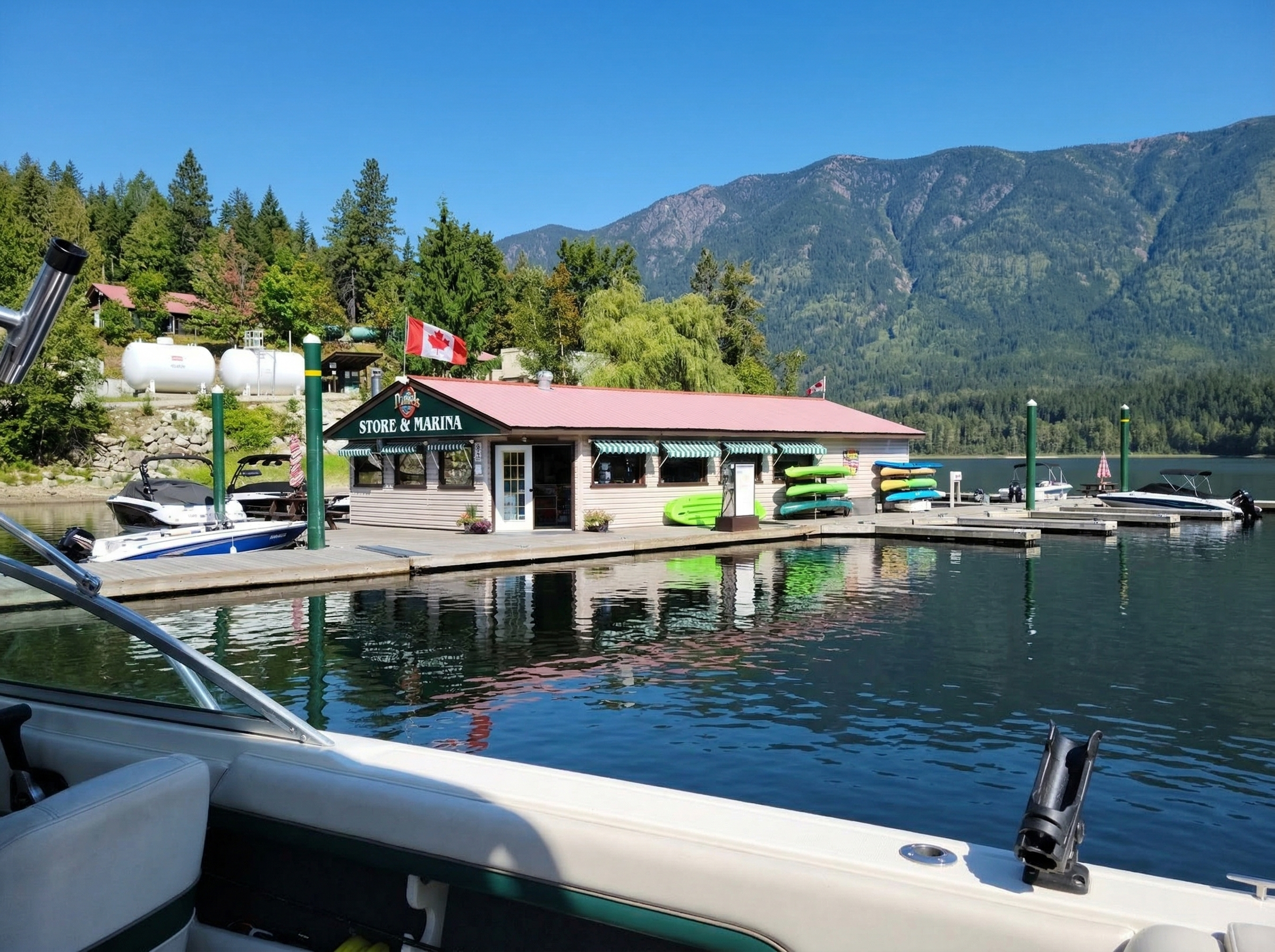
FOOD · FUEL · LOCAL STOPS
Daniels Store & Marina, The Wheelhouse Pub and Smurf’s Country Kitchen are some of the local names visitors tend to look for first.
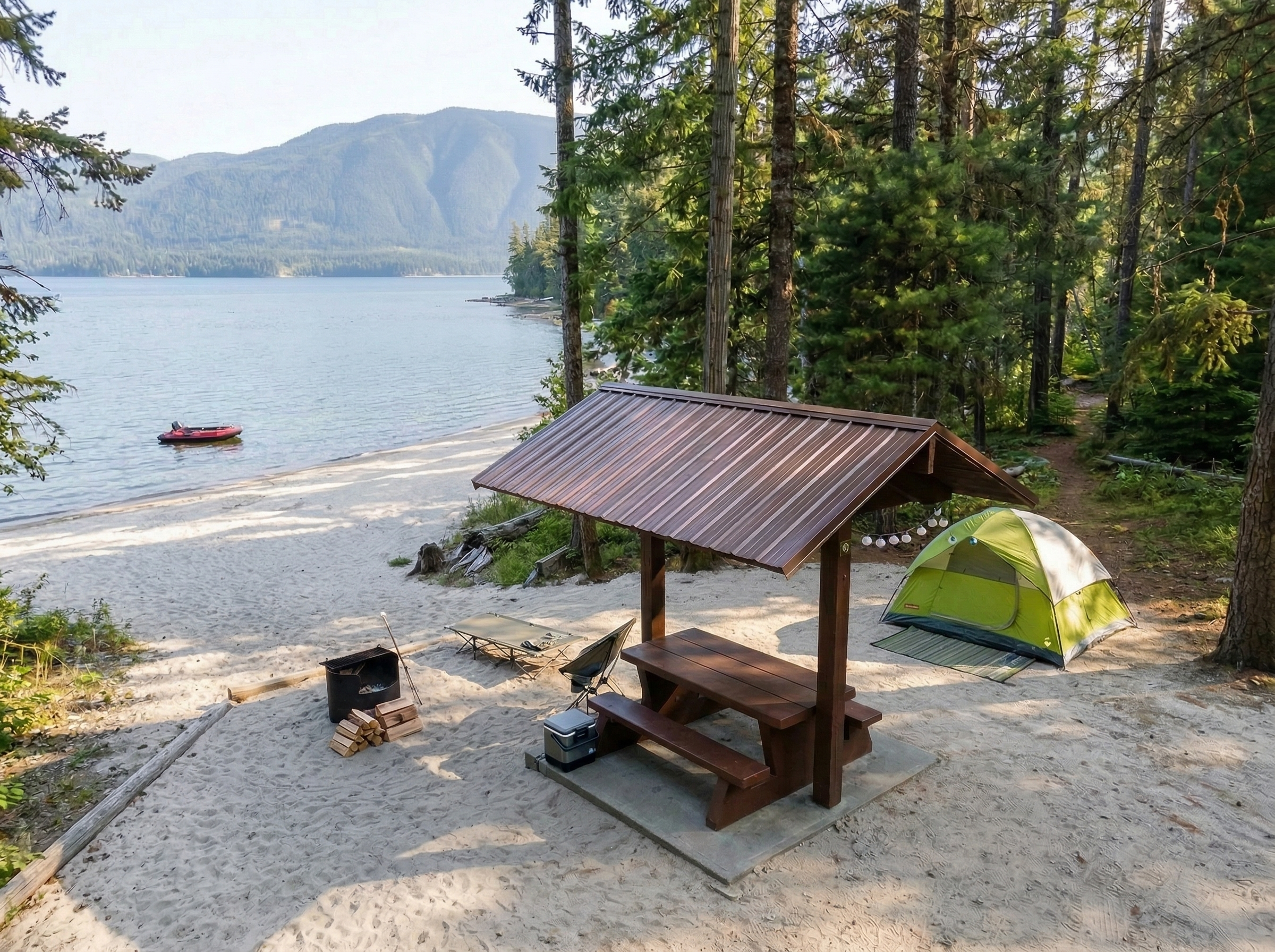
CAMPING · RV · LODGING
From Silver Beach Provincial Park to local campgrounds, RV sites, lodges and accommodation, there are several ways to make Seymour Arm your base.
EXPLORE
Seymour Arm isn’t built around attractions. Most days start with the lake, a trail, a boat, a fishing rod or simply seeing where the road goes.
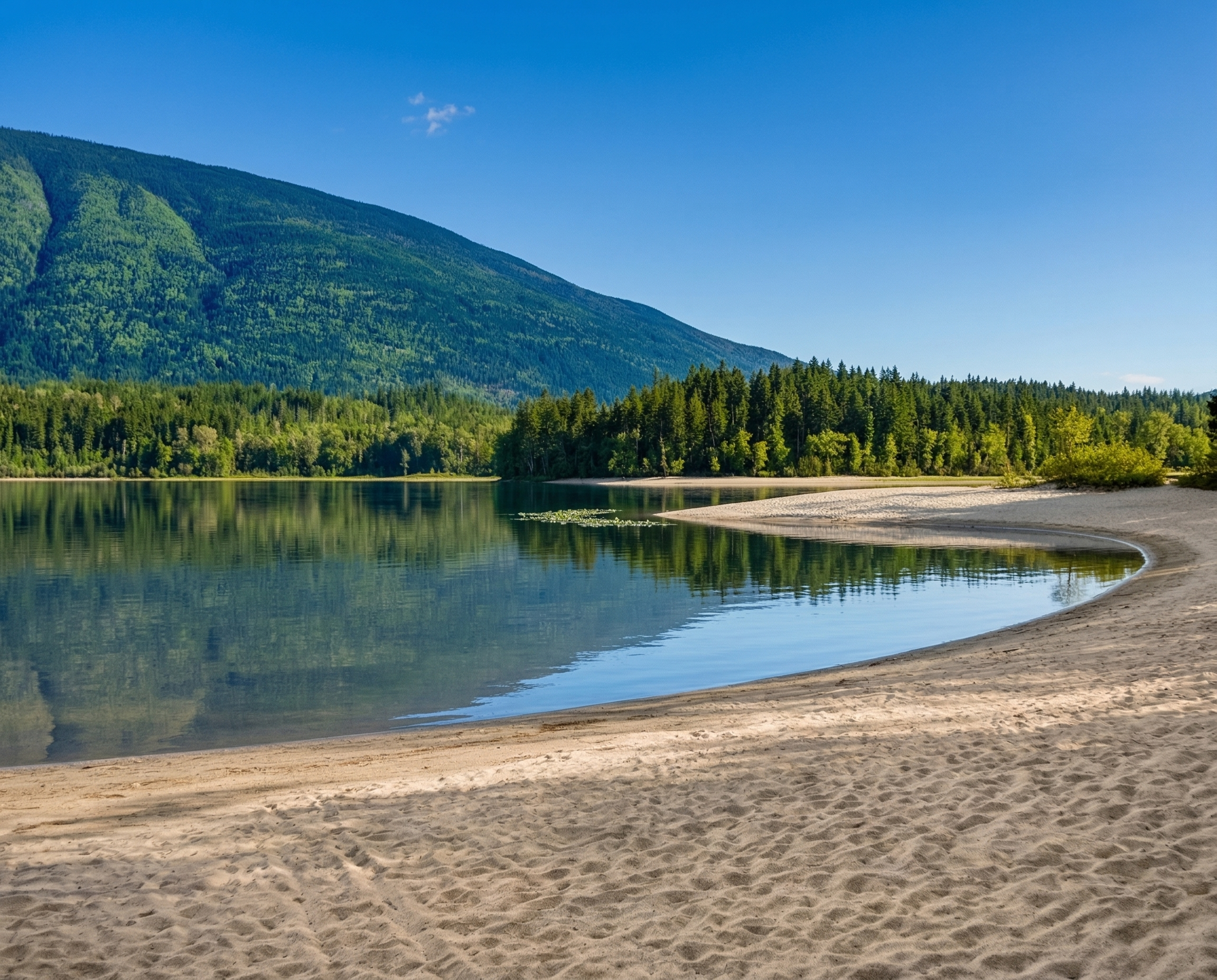
Silver Beach, warm summer days and the kind of shoreline that can easily consume an afternoon.
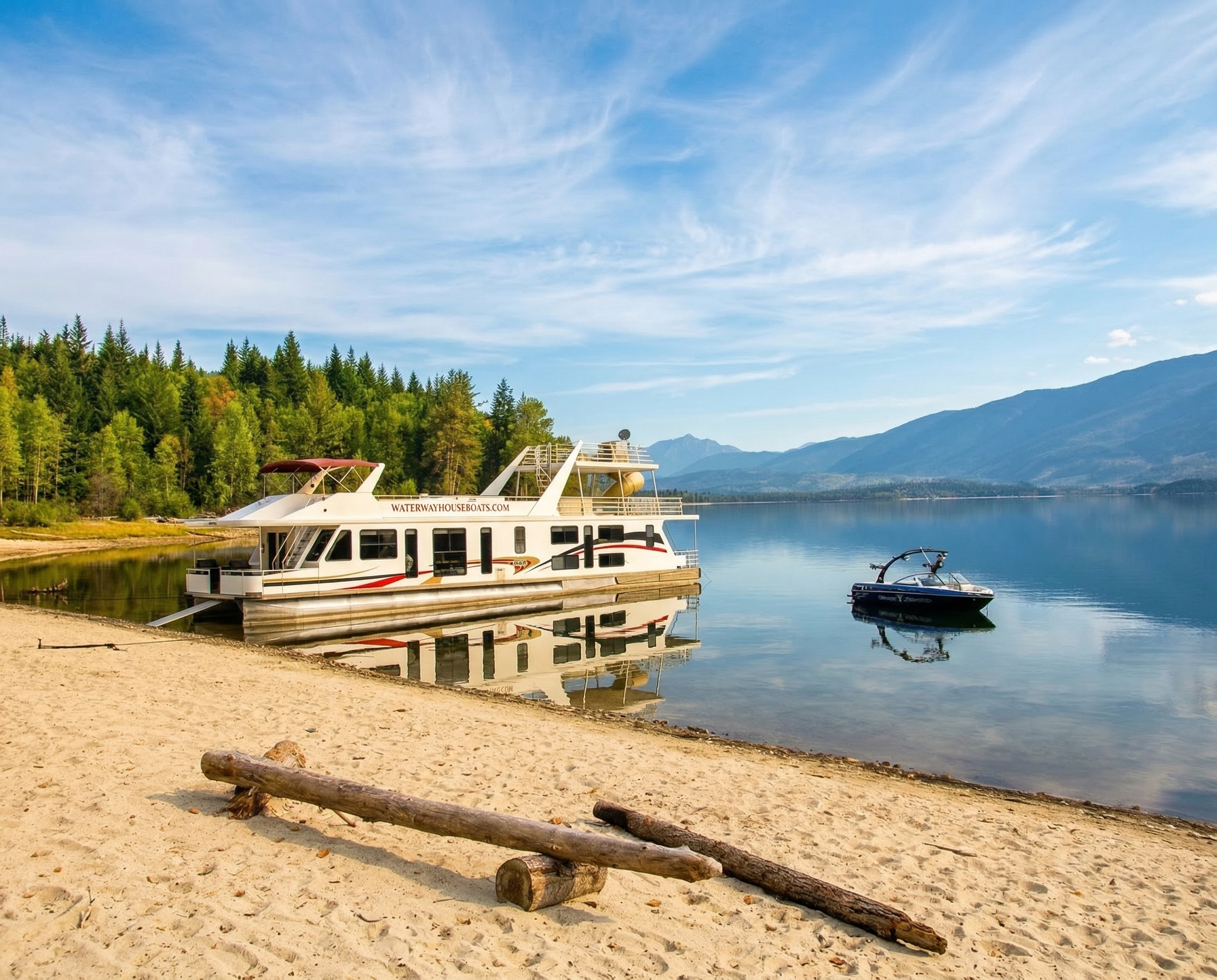
Bays, beaches, houseboats and parts of the lake that don’t reveal themselves from the road.
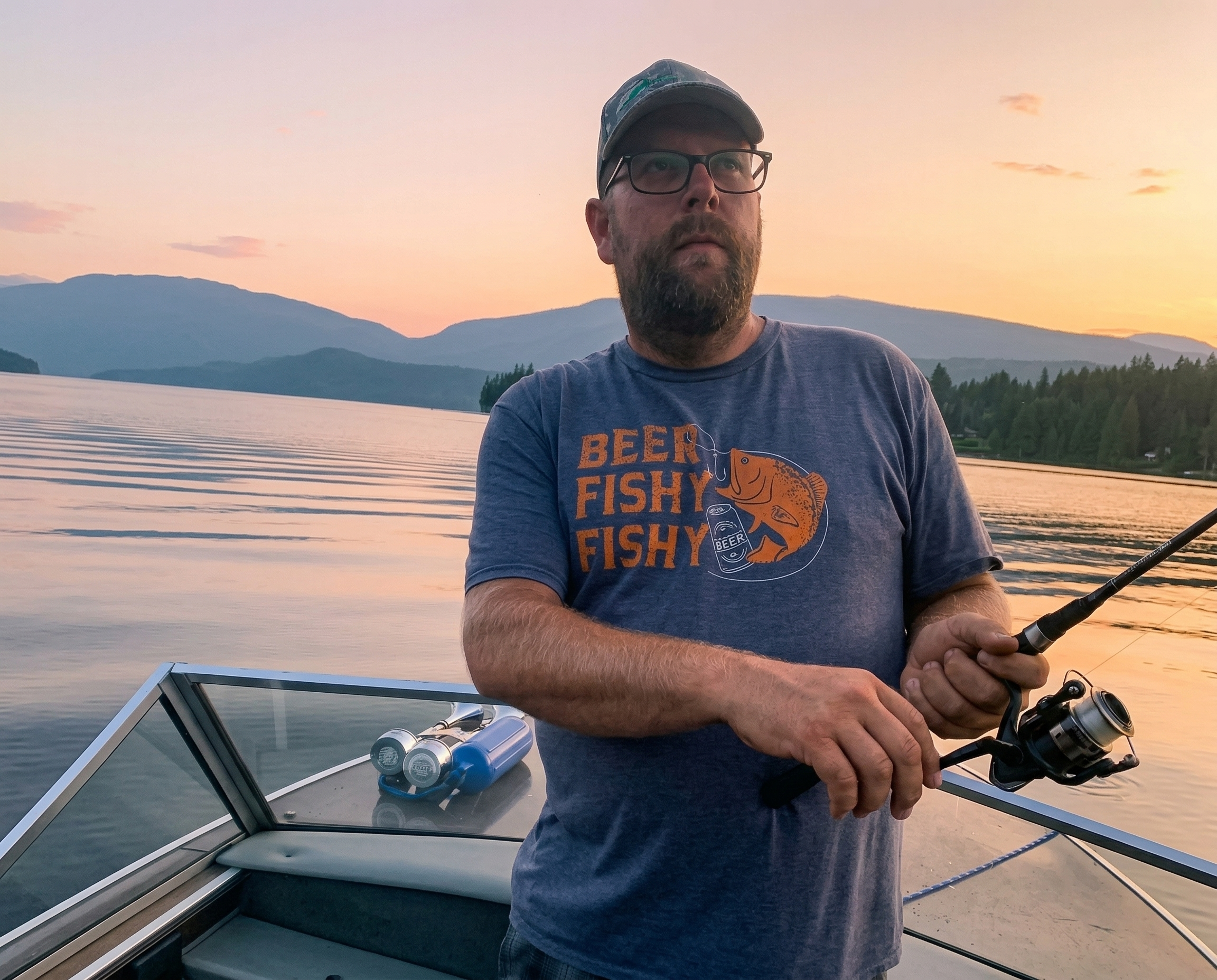
Early mornings, long evenings and plenty of water to explore with a rod in hand.
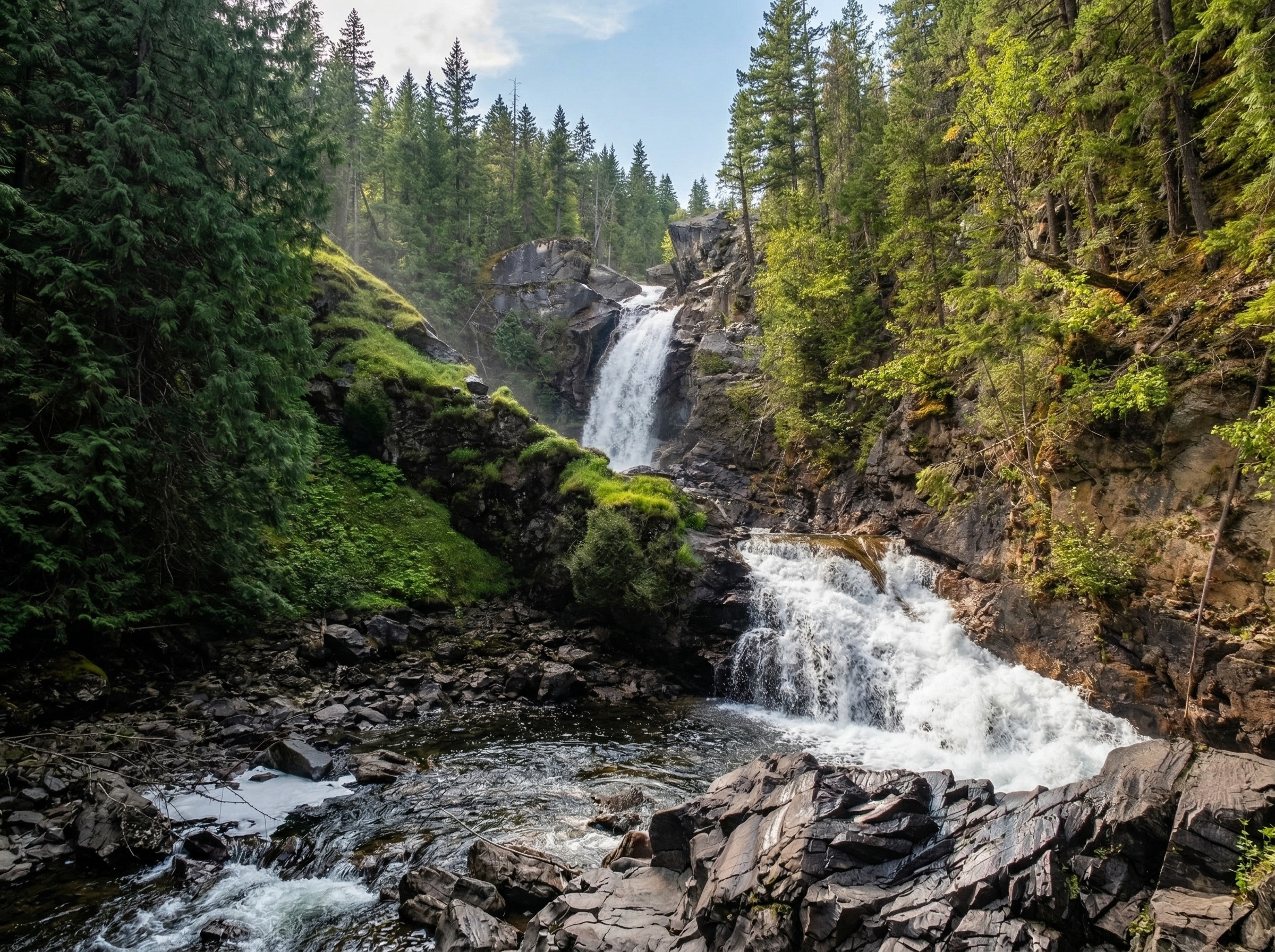
Forest trails, waterfalls and backcountry that deserves a little more preparation than the photographs suggest.
CHECK CURRENT CONDITIONS
Weather, wildfire, road conditions and park restrictions can change much faster than a normal visitor guide. That’s why Important Info now combines local planning advice with live official data.
LIVE VISITOR INFORMATION
The Important Info page brings together current weather, DriveBC information, BC Wildfire Service data, regional air quality and BC Parks information alongside the practical realities of visiting Seymour Arm.
PLAN THE DRIVE
You don’t pass through Seymour Arm by accident. The established route follows the North Shuswap before the pavement ends and the final gravel stretch begins.
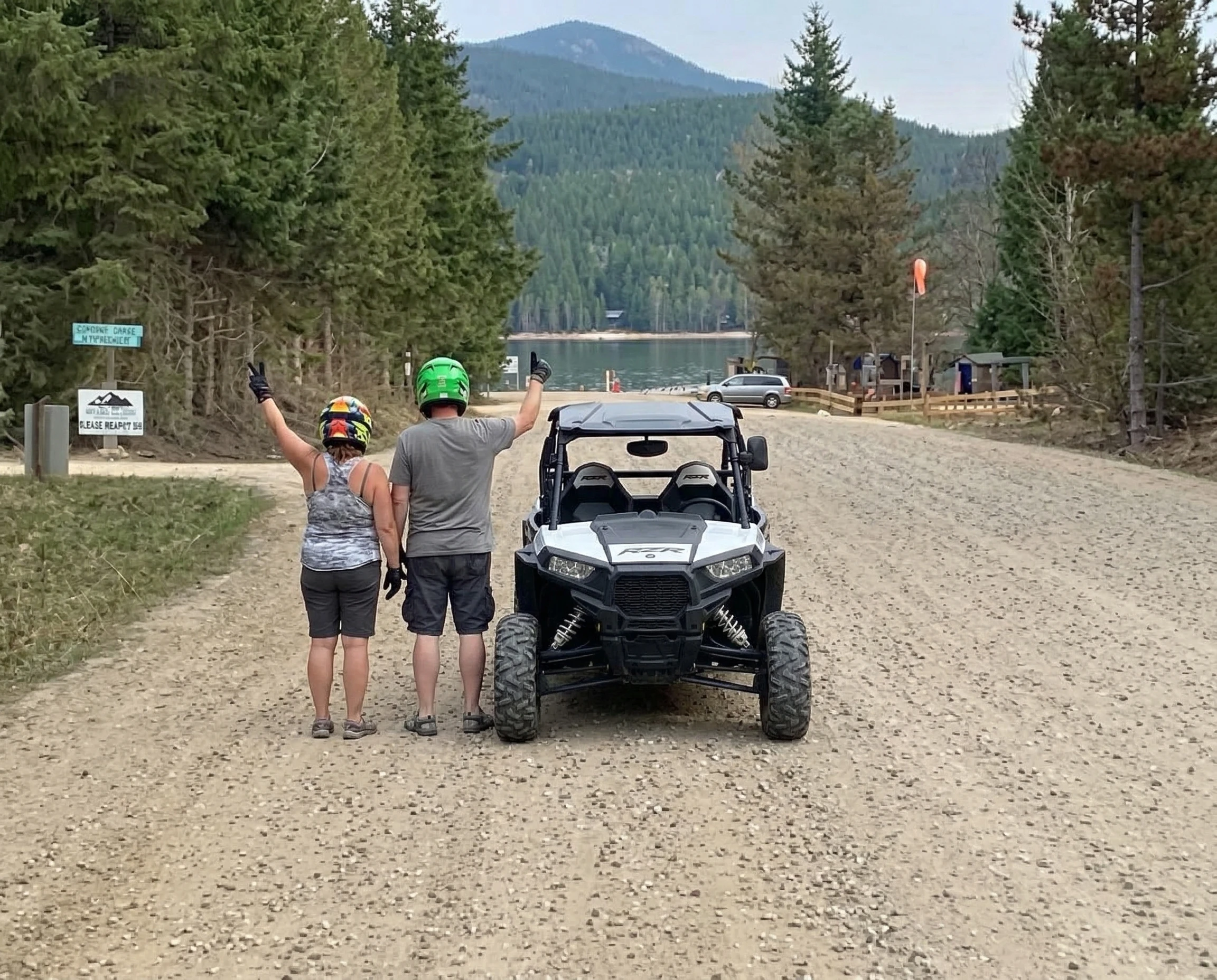
HIGHWAY 1 · NORTH SHUSWAP · GRAVEL
Follow Highway 1 to Squilax, continue through the North Shuswap toward St. Ives, then leave the pavement behind for the Forest Service Road into Seymour Arm.
The dedicated guide covers the route, gravel conditions, towing, fuel planning, winter travel and arriving by water.
START HERE
Pick the part of the trip you’re working on and go straight to the full guide.
Campgrounds, local lodging and the places visitors usually look at first.
Where to Go →Route details, gravel access, towing and current road/weather checks.
Getting There →Weather, roads, wildfire, air quality and current park information.
Important Info →